Sheila Kennedy has a good post (but, of course she does!) entitled “Who Are We?” She discusses a Brett Stephens column (so, I’m at least a third level of abstraction here) and concludes:
The pertinent question is the one Stephens first identified: who are we? And the answer is, we are a country with sound and valuable ideals–granted, a country that often falls short of those ideals–a country with a majority of citizens who are devoted to those ideals, but who are currently demoralized by a loud and angry tribal minority that is working to abandon the principles the rest of us struggle to achieve.
Ukraine is fighting Russia. We are fighting the enemy within.
I’d suggest there are a good number of tribal factions demoralizing us, but otherwise fully agree with her point. Our media landscape is structured to reward content that draws attention, and the most reliable way to draw attention is to make people angry. Negative partisanship, in turn, is a reliable way to provoke anger. Cable news wants you to tune in and stay tuned through the commercials. Its programming is a means to that end. Twitter and Facebook want you to click and keep scrolling. Loud voices telling you to hate the Other or to be afraid because They are trying to get you are a good way to keep you plugged in. The relentless negativity begins to seep in and even people who have things pretty good begin to resent the world in which they live and take for granted or even vilify institutions which they really ought to appreciate.
In my mind, the Russia-Ukraine situation really underscores that latter point. Hobbes observed that life in a state of nature was solitary, poor, nasty, brutish, and short. The institutions we have created – our military, courts, banks, government, transportation and communication infrastructure, etc. – are designed to insulate us from that state of nature. When they are insulating us properly, we can take them for granted and focus narrowly on their shortcomings. And, to be sure, there are shortcomings. But when an asshole with enough firepower undertakes to take them all away, it becomes easier to appreciate some of the things our predecessors have built and left us with.
It’s ridiculous to think that a megalomaniac in Canada or Mexico would some day be rolling into the U.S. precisely because we have grotesquely overspent on our military. It’s less ridiculous to fear that we would do that to others because of our own checkered past when it comes to respecting the sovereignty of other nations. We should teach that history and learn from it without whitewashing it; but, at the same time, we need not resign ourselves to the idea that these misdeeds constitute our essence. And if the military could not protect us from a neighboring megalomaniac, how would we react when the banks no longer functioned, when the courts were no longer available and individual violence was the only way to resolve disputes, and when government offices are abandoned or populated with foreign puppets? Or maybe the banks collapse and currency is no longer reliable? Rather than annoyingly slow during construction season, roads are cratered and impassable and the only remotely trustworthy news you can gather comes from whatever you can gather off of shortwave radio when the sun goes down and the signal gets stronger.
I suppose this is just a periodic reminder – to myself as well as anyone who happens to read – that there is also joy in the world. Improvements to the status quo should always be welcome, but don’t fail to appreciate what you have and know that, if history is any guide, things can always get so, so much worse.
 Sen. Young has introduced
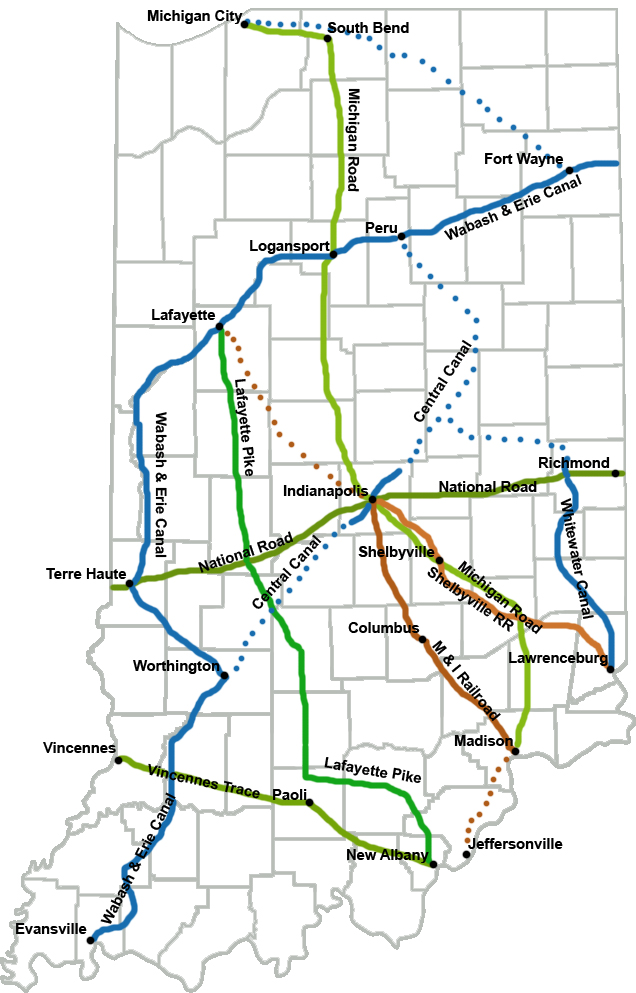
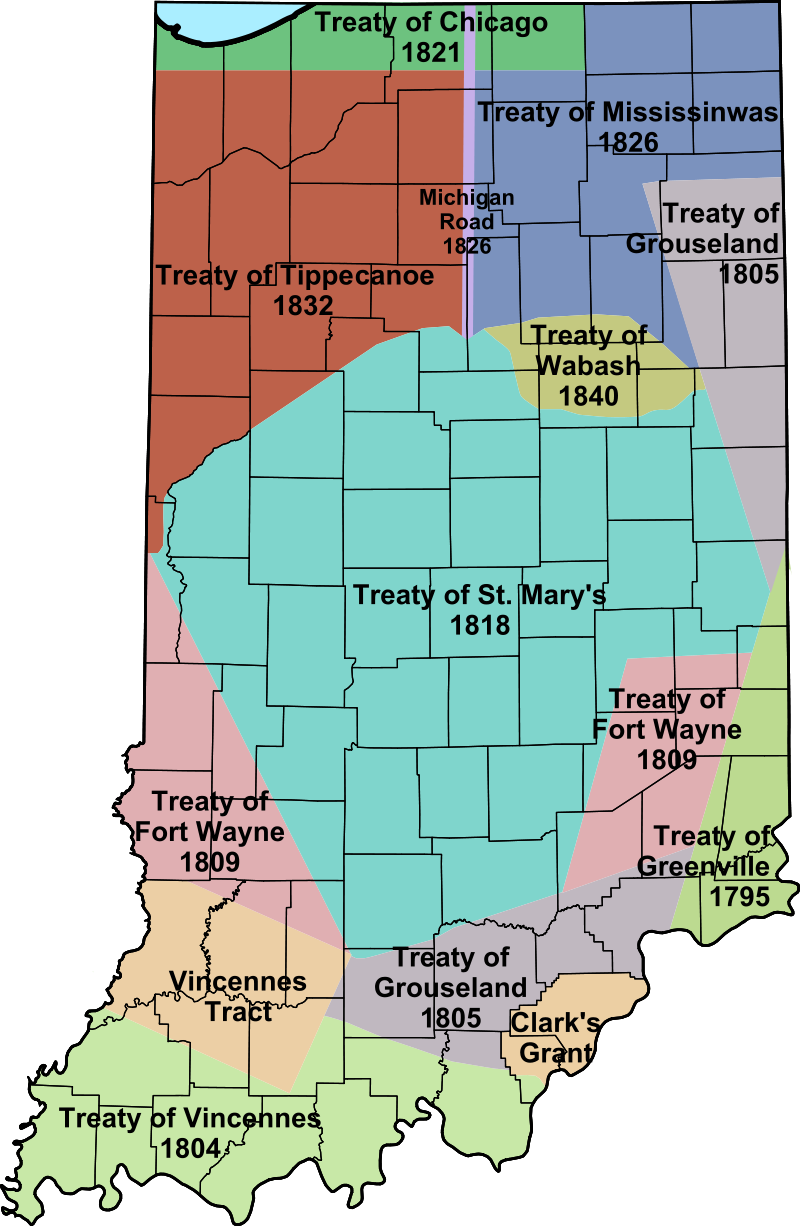



Turns out that “those guys over there” were liberals rather than foreigners and, rather than starving, it was more a combination of racism, economic uncertainty, and eroding social status. Still and all, infrastructure would have been a good place to spend money.